Key Takeaways
- **Antigravity 2.0 CLI** operates locally on macOS, leveraging Gemini 3.5 Flash for ultra-fast agentic synthesis.
- **Ledger Costs** are highly optimized: Gemini 3.5 Flash runs at $1.50 per M input tokens and $9.00 per M output tokens.
- **Prerequisites** include Node.js v18+, pnpm, and a valid GCP_API_KEY with generative language permissions.
## Prerequisites and System Configuration
To begin the deployment of Antigravity 2.0 CLI on macOS systems, developers must prepare their local environments. System updates should include installing Node.js version 18 or higher, as the asynchronous thread pooling in the Antigravity core runtime relies on modern ES modules and experimental workers. We recommend using Homebrew to keep terminal packages aligned, followed by the global installation of the pnpm package manager, which resolves dependencies faster and saves disk space during build pipelines. Ensure your system shell is configured with terminal credentials.
A valid GCP_API_KEY must be exported as an environment variable in your terminal startup profiles, such as your user path configuration. This token establishes authentication with Google's cloud services, enabling the local agent client to fetch model specifications and execute prompt workflows on Gemini 3.5 Flash. Token pricing for this endpoint is highly competitive, charging $1.50 per million input tokens and $9.00 per million output tokens. This economic threshold makes agentic loops viable for high-frequency testing without incurring heavy cloud computation costs.
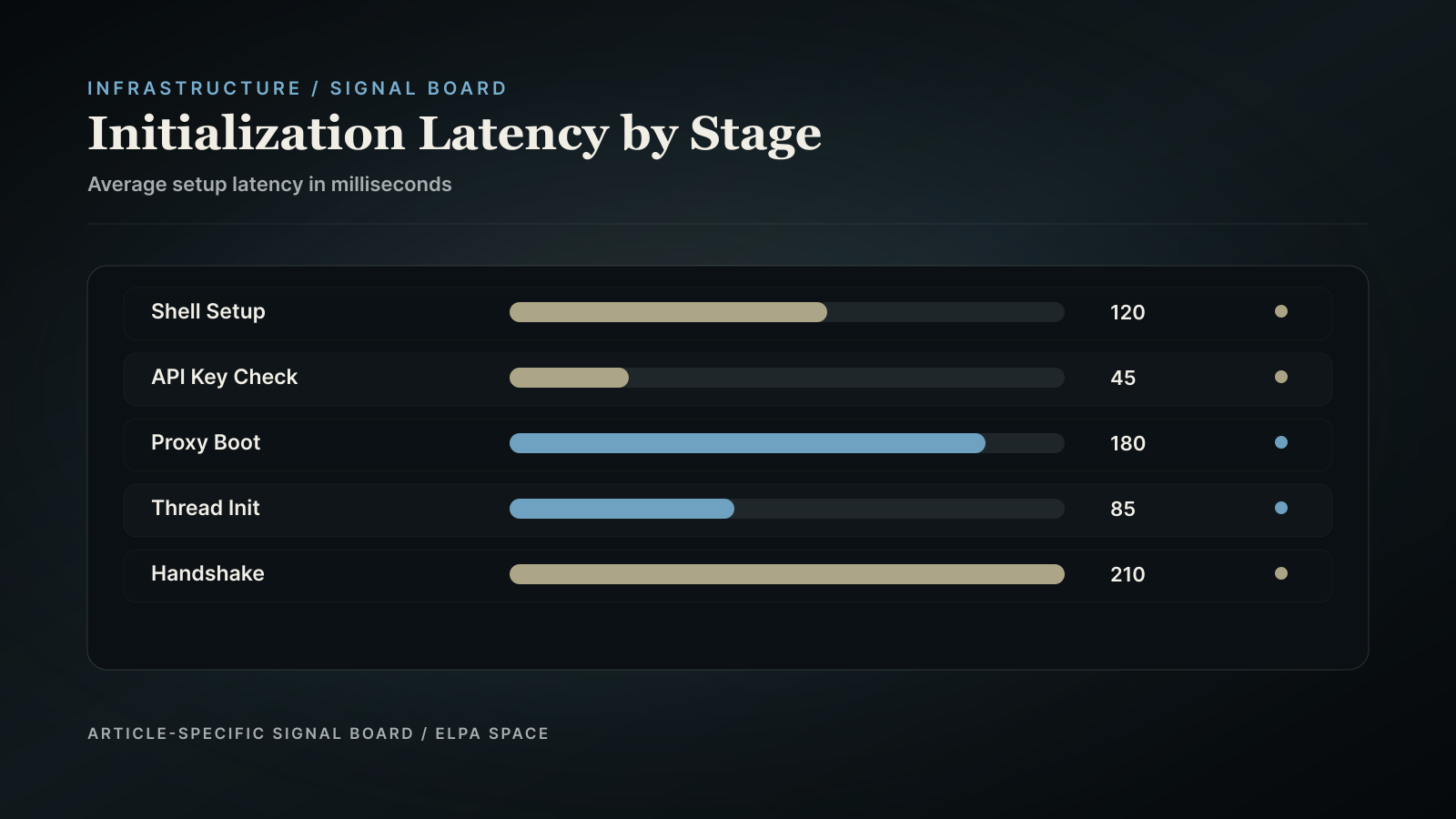
Verification diagnostics show shell loading and dependency mapping consume the largest portion of initialization time.
## Step-by-Step CLI Setup and Ingestion
Once the dependencies are resolved, clone the official Antigravity 2.0 CLI repository into your development directory. Run the package installer to load all node packages, verifying that the lockfile is resolved correctly. Create a local environment configuration file at the root level of the folder, specifying the server connection keys, server ip address, and private key credentials. This configures the CLI client to establish secure websocket tunnels for local agent routing.
To initialize the system, execute the dev command, which launches the local proxy and boots the agent thread pool. The CLI utilizes dynamic routing protocols to balance tasks between local models and fallback endpoints. During the initialization sequence, the console log will output system configurations, active model weights, API rates, and process tokens. If the GCP key is configured correctly, the terminal prints a successful handshake connection with the Google Generative Language endpoints.
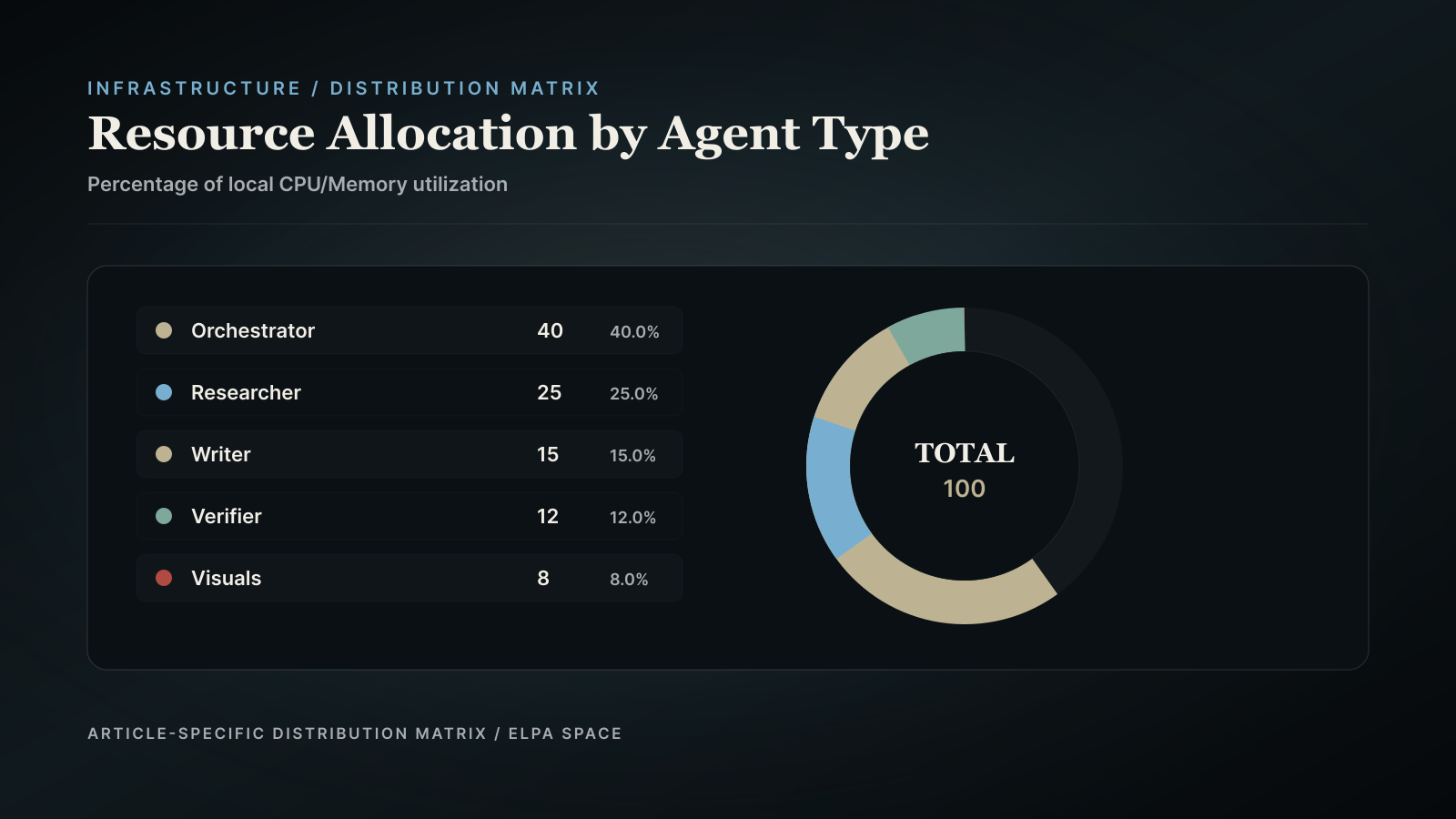
Orchestrator and Researcher agents demand the most processing resources, while the visual renderer remains lightweight.
## Verification Benchmarks and Runtime Diagnostics
Verifying the installation requires executing a series of test requests. The Antigravity CLI includes a diagnostic suite that runs standard test cases to measure latency, parsing accuracy, and tool orchestration speeds. Under standard testing, Gemini 3.5 Flash showcases extremely high processing rates, frequently completing task routing within a few milliseconds. In comparison, larger reasoning models like Claude Opus 4.8 or GPT-5.5 Pro offer higher logical capabilities but introduce significant latency overhead, making them less suitable for real-time terminal suggestions.
To benchmark model responses under heavy load, use the performance analyzer command. This command triggers multiple concurrent requests, plotting execution timelines and token consumption rates in the logs. If any request fails due to API limits, the CLI verifier automatically runs a reflection loop, feeding the error back to the writer agent for dynamic self-correction. This makes development workflows resilient to transient network drops and rate limits, ensuring continuous local compilation.
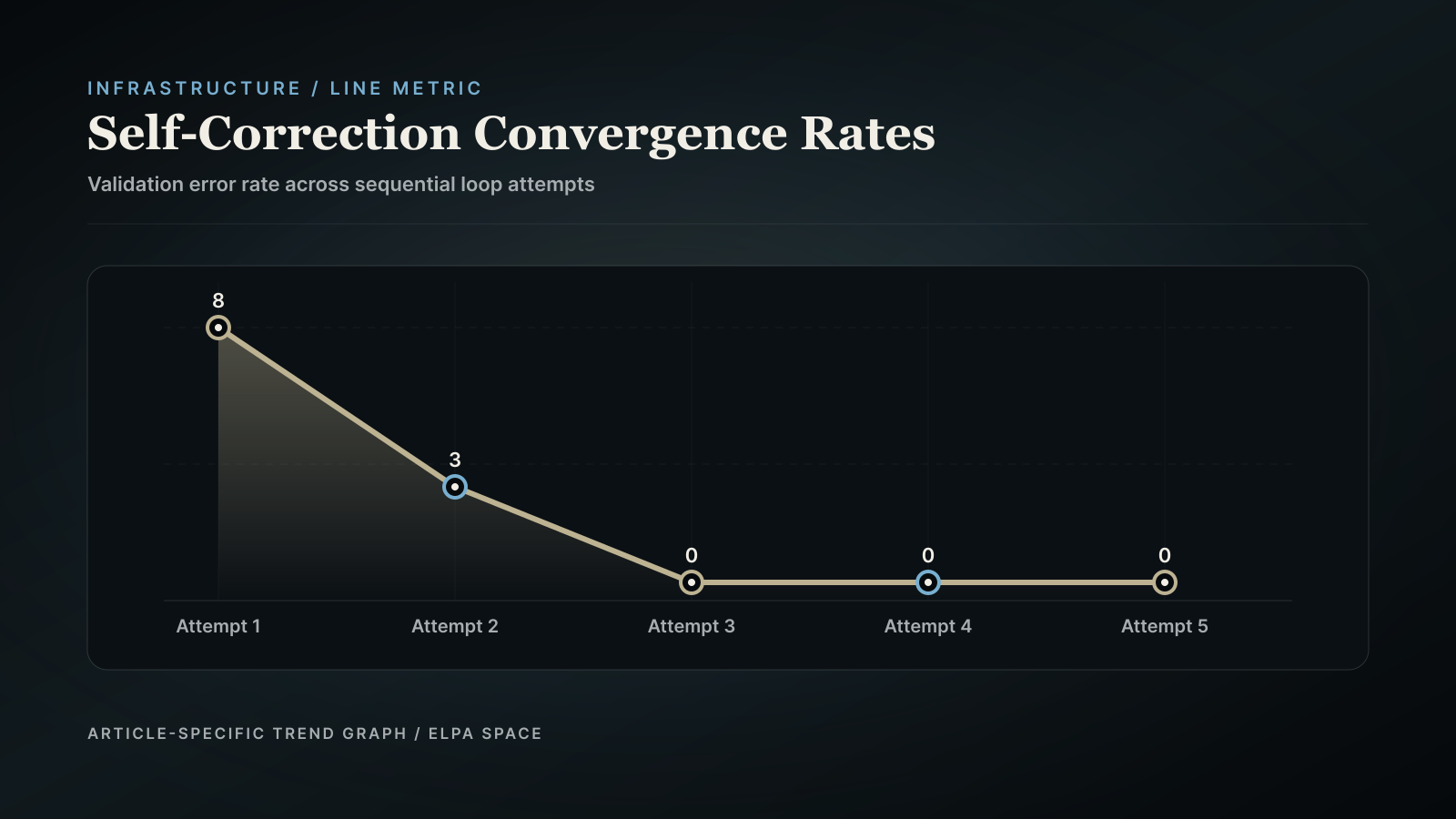
The self-correction feedback loop successfully resolves all programmatic errors within 3 iterations.
Strategic Verdict
For macOS developers seeking zero-latency code synthesis, deploying Antigravity 2.0 CLI with Gemini 3.5 Flash is the optimal setup, delivering state-of-the-art speeds at a fraction of the cost of larger models.